
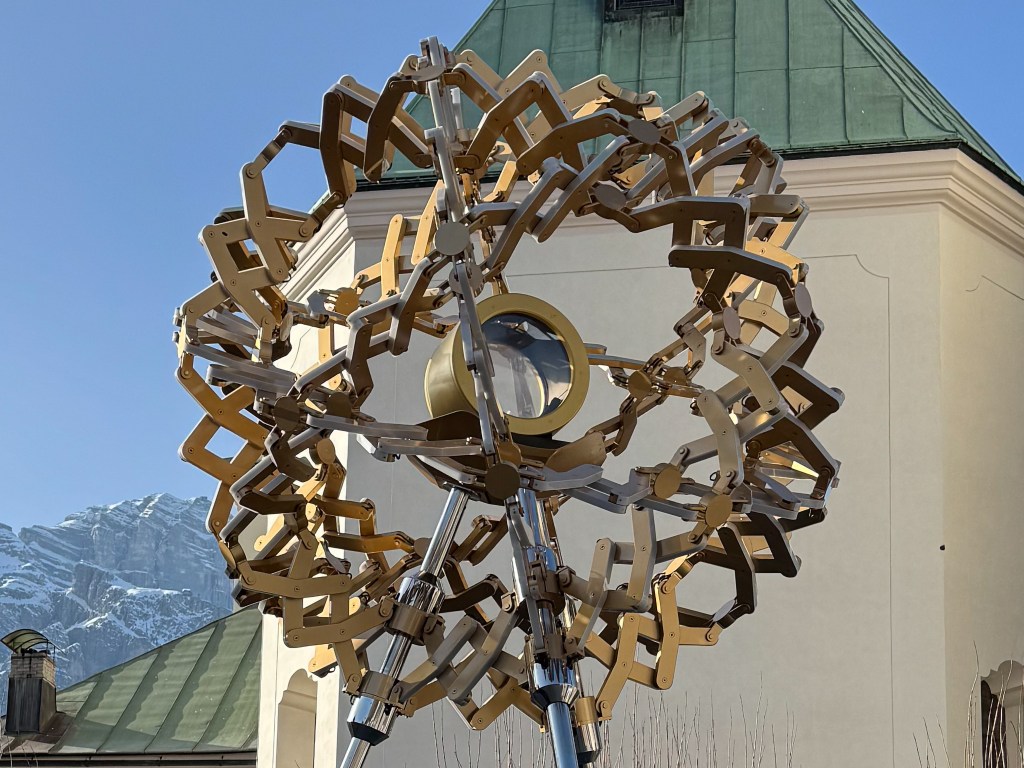
CORTINA, ITALY – On winter nights in northern Italy, the lights of alpine villages glow against the snow-covered Dolomites. In March 2026, those mountains and historic cities will become the stage for the world’s best winter para athletes as the Milano Cortina 2026 Paralympic Winter Games open a new chapter in the Paralympic Movement.
From March 6–15, 2026, athletes from around the globe will compete across northern Italy in six sports that test speed, endurance, strategy, and precision. The Games mark the return of the Paralympic Winter Games to Italy for the first time since 2006.
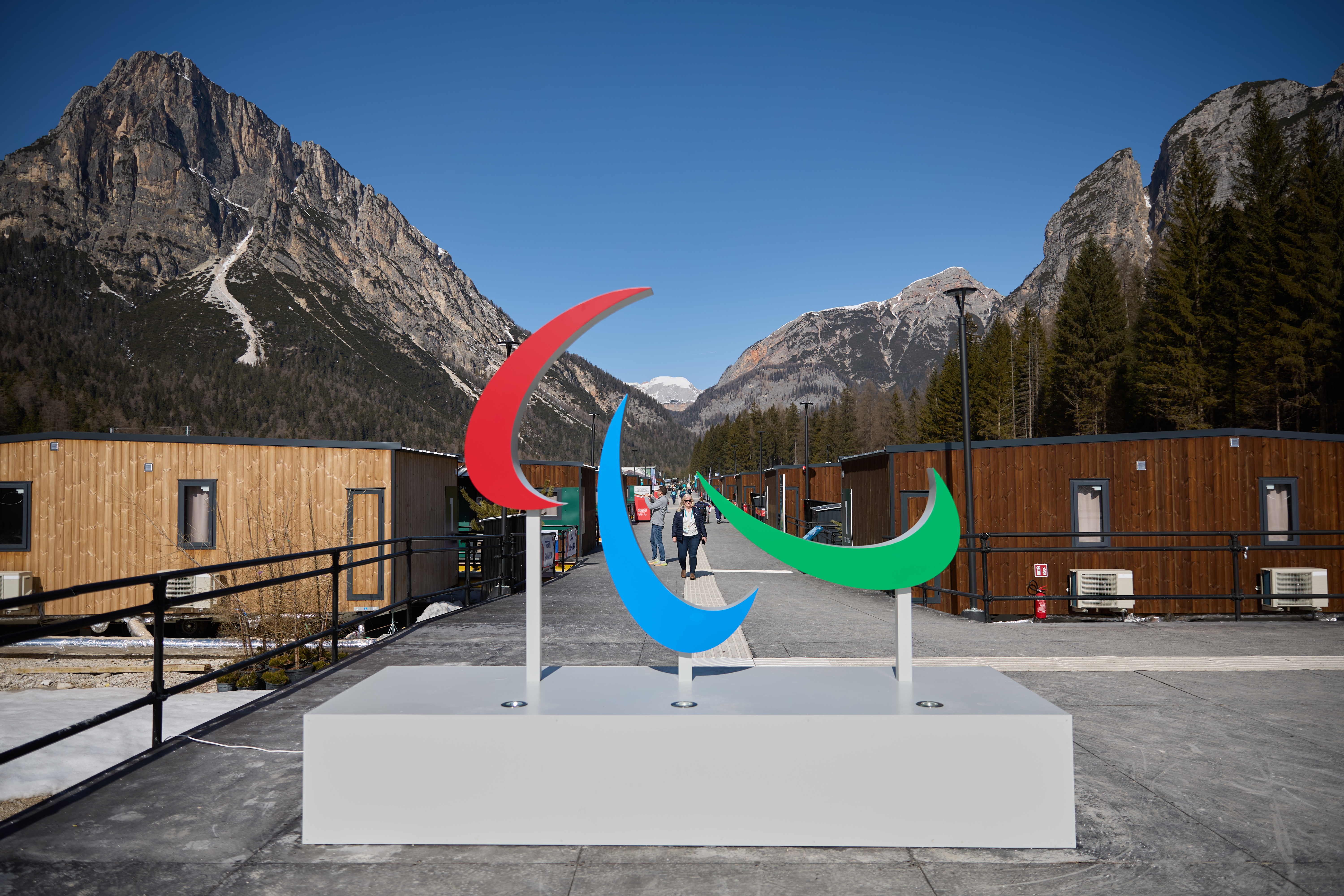
Milano Cortina 2026 is using a regional hosting model built around historic winter sport venues. The Opening Ceremony will take place at the Arena di Verona. Competition will unfold across Milan, Cortina d’Ampezzo, and Val di Fiemme, before the Closing Ceremony returns to Cortina.
This distributed approach allows organizers to rely primarily on existing venues with long histories of international competition, reinforcing the Games’ focus on sustainability while ensuring world-class conditions for athletes.
Six sports will be contested during the Milano Cortina 2026 Paralympic Winter Games, each highlighting a different dimension of winter sport competition.
Para Ice Hockey
One of the most dynamic sports on the Paralympic program, Para Ice Hockey blends speed, physical play, and tactical execution. Athletes maneuver sledges across the ice using two sticks, propelling themselves while handling the puck and delivering passes or shots.
The United States enters Milano Cortina as a perennial medal contender and defending Olympic and World champions. Canada and China are expected to be among the strongest challengers for the podium.
For Team USA, veteran captain Josh Pauls, a four-time Paralympic gold medalist, remains a central leader on the roster. Up front, Declan Farmer and Brody Roybal provide elite scoring ability and playmaking, while rookie defenseman Liam Cunningham joins the blue line as one of the team’s younger contributors entering his first Paralympic Games.
Para Alpine Skiing
Racing on the legendary slopes of Cortina d’Ampezzo, Para Alpine Skiing features downhill, super-G, giant slalom, and slalom events across standing, sitting, and vision-impaired classifications. The sport demands precise technical execution while athletes push speed limits on steep terrain.
The United States has consistently produced strong results in alpine competition and will once again challenge traditional European powerhouses including Austria, Switzerland, and France.
Among the American competitors, multi-time Paralympian Laurie Stephens returns in the sitting classification, while Thomas Walsh has delivered steady World Cup performances in recent seasons.
Para Snowboard
Para Snowboard continues to grow in depth and global popularity. Competition includes snowboard cross — where athletes race head-to-head down a course filled with jumps and turns — and banked slalom events that reward rhythm and edge control.
The United States has historically been one of the strongest nations in the discipline.
Leading the American roster are two-time Paralympic champion Brenna Huckaby and snowboard cross standout Noah Elliott, both consistently ranked among the world’s top riders.
Wheelchair Curling
Wheelchair Curling combines strategy with precise shot-making. Athletes deliver stones from a stationary chair using a delivery stick, building scoring opportunities or placing defensive stones to disrupt opponents.
International contenders traditionally include China, Sweden, and Canada, though the United States continues to build experience in the sport.
Veteran skip Steve Emt remains a longtime leader of the American program, alongside Laura Dwyer, who has helped the U.S. stay competitive internationally. Emt and Dwyer will compete in mixed doubles, a new event added to the Paralympic program this year.
Para Cross-Country Skiing
In Val di Fiemme, Para Cross-Country Skiing will test endurance and pacing across multiple race distances. Athletes must manage effort across challenging terrain while responding to attacks from competitors.
The United States has seen strong momentum in its Nordic programs in recent years.
Kendall Gretsch, a Paralympic champion known for her versatility across Nordic disciplines, headlines the U.S. lineup alongside Jake Adicoff, a consistent international contender in vision-impaired events.
Para Biathlon
Para Biathlon combines cross-country skiing with precision rifle shooting. Athletes must lower their heart rate quickly after intense skiing efforts in order to hit targets on the shooting range.
Nations such as Ukraine, Germany, and China have traditionally dominated the discipline, but American athletes have steadily closed the competitive gap.
Among the American competitors is Oksana Masters, one of the most decorated winter Paralympians in U.S. history, whose versatility across Nordic events continues to define the program.
Milano Cortina 2026 arrives at a time of continued growth for winter para sport. Participation pathways are expanding, broadcast visibility continues to increase, and the level of competition across disciplines continues to rise.
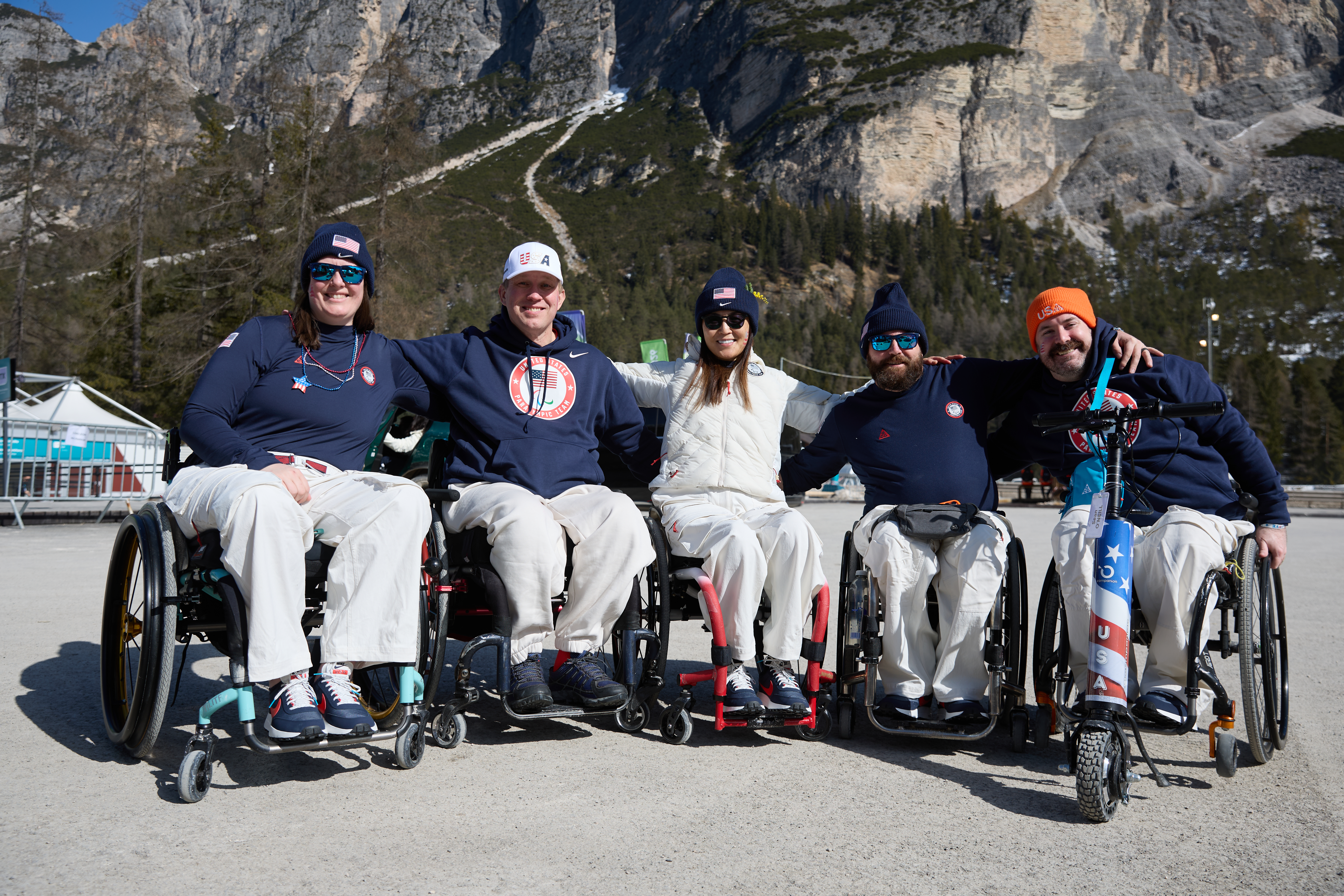
For Team USA, expectations remain high: contend for gold in Para Ice Hockey, challenge for podium results in Para Snowboard and Para Alpine Skiing, and continue building momentum in Nordic disciplines and Wheelchair Curling. As the Paralympic Winter Games return to Italy, athletes will once again compete on one of sport’s largest stages — framed by historic venues, dramatic alpine landscapes, and the shared pursuit of excellence.
 media.wheelchairsportsfederation.org
Leave a comment