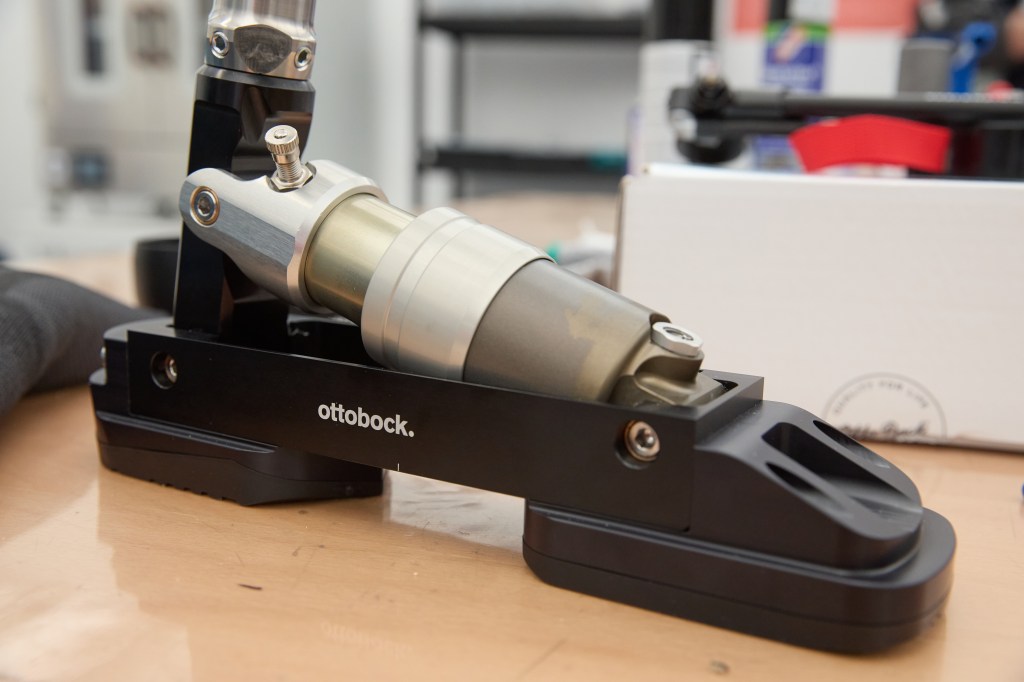
Inside an Ottobock repair workshop at the Paralympic Games, athletes arrive with everything from loose screws to damaged components on the equipment they rely on to stay in the game. From racing wheelchairs to sit-skis and monoskis, the highly specialized gear used by Paralympians is built for speed, precision and durability. But under the stress of elite competition, even the best equipment sometimes needs repair.
This is where Ottobock comes in.
Ottobock, the official global partner of the International Paralympic Committee and the official technical service provider at the Paralympic Games, provides free repair and technical support for athletes throughout the competition.
“I always hope we have nothing to do, because every repair means a problem for an athlete,” said Peter Franzel, Head of Global Events, Exhibitions and Sports for the company. “But that’s not the reality.”
Repairs at Scale
During the 2022 Winter Paralympic Games in Beijing, Ottobock completed 384 repairs, assisting athletes across multiple disciplines.
Even before the opening ceremony of the Milano Cortina Paralympic Games, technicians had already completed more than 140 repairs.
To meet the demand, Ottobock operates three main repair workshops in Milan, Cortina and Predazzo, along with mobile repair stations located at competition venues. The service allows athletes to quickly address equipment problems without leaving competition sites or the Paralympic Village.
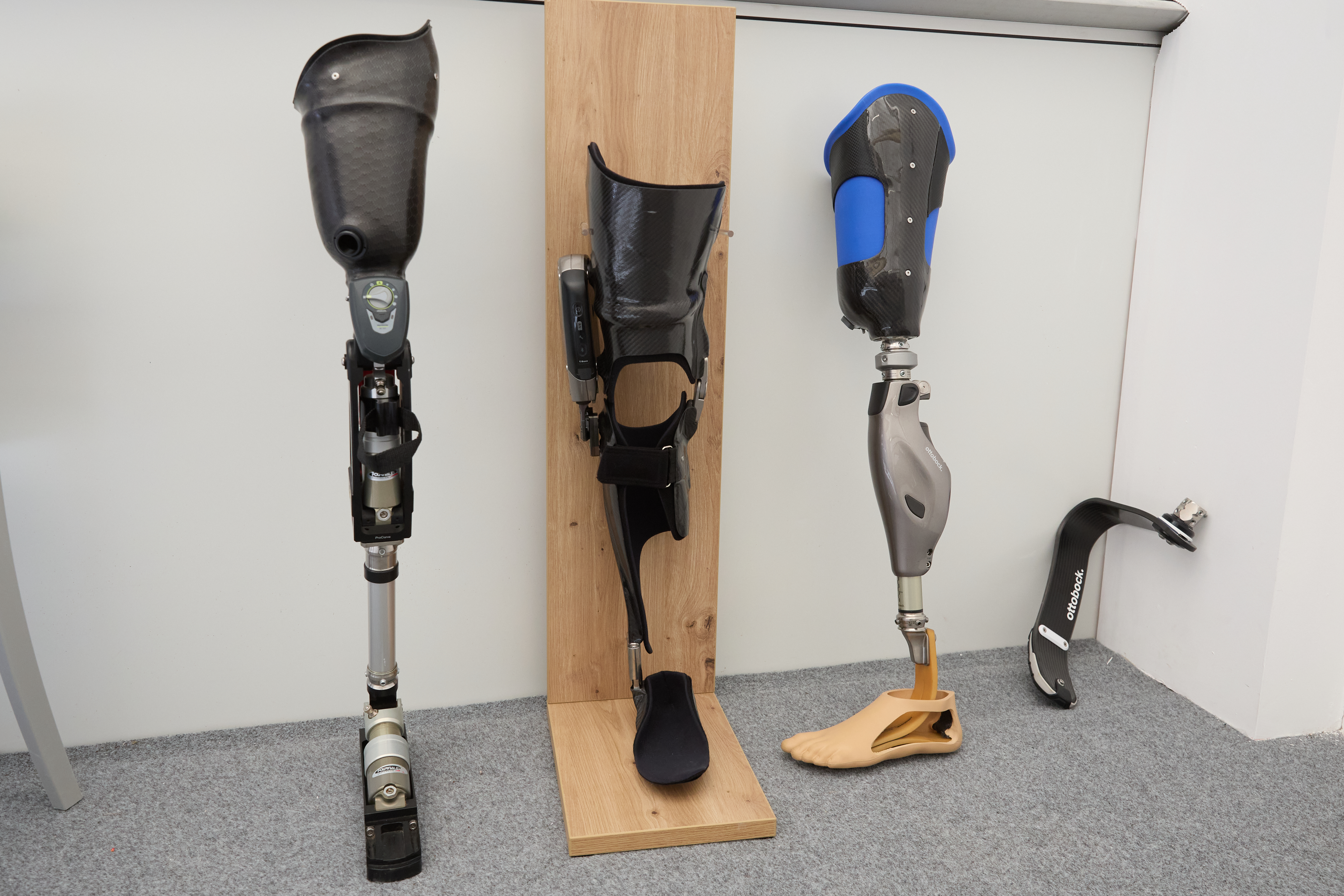
Inside the workshop, benches are lined with tools, spare parts and specialized materials used to repair wheelchairs, prosthetics and competition equipment.
The Winter Paralympic Games present unique challenges for mobility and performance gear. Cold temperatures, moisture on competition surfaces and highly individualized devices — such as monoskis used in Para alpine skiing — can create unexpected issues.
From Quick Fixes to Custom Fabrication
Repair times can vary widely depending on the issue.
“We never know,” Franzel said. “The door is open, and we have three hours with no one. And then we have five at a time.”
Some fixes take only seconds.
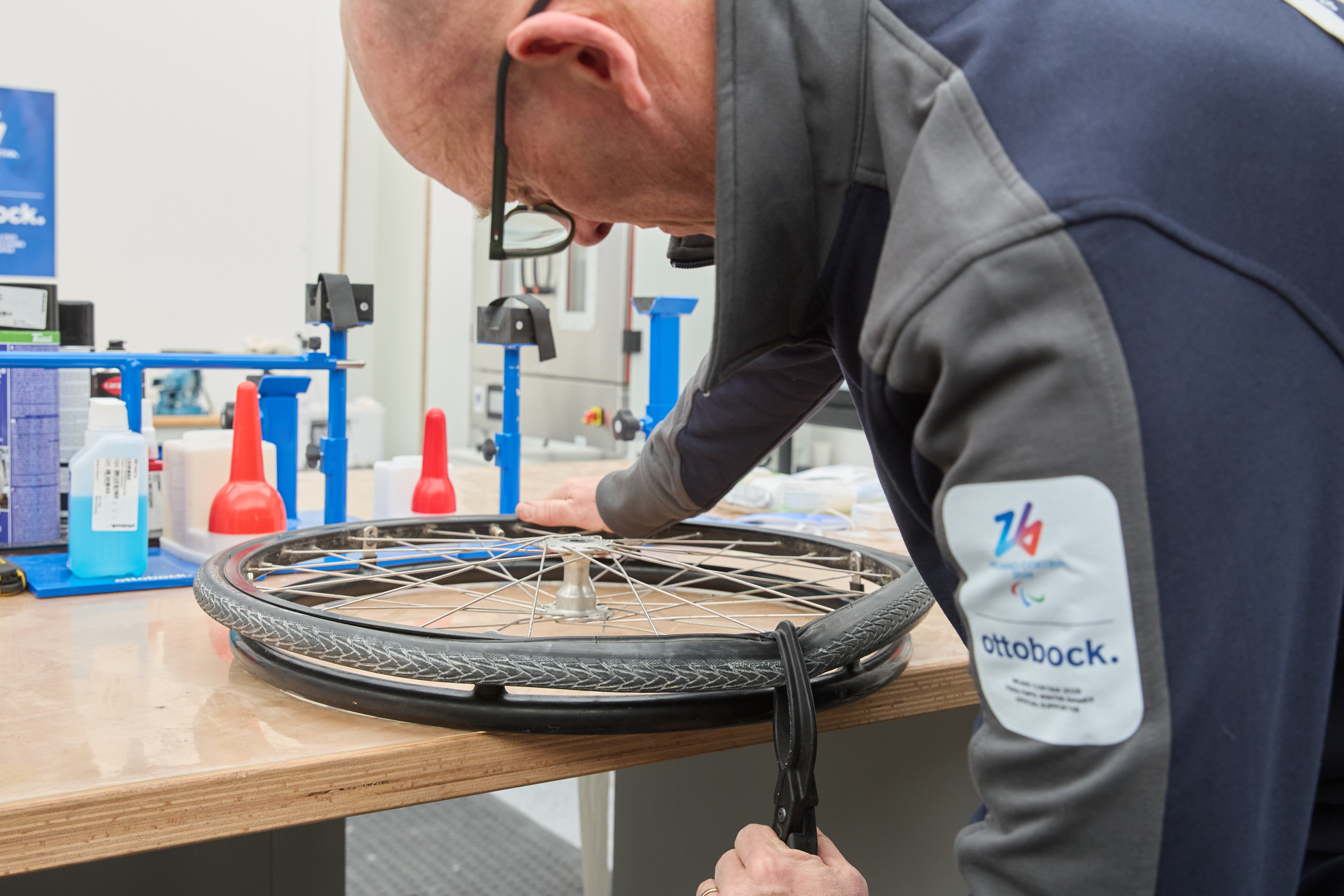
“Maybe the fastest repair we do is pump up tires, which takes 15 to 20 seconds,” Franzel noted.
Others require significantly more time and customization.
“We also had to make a special orthosis for an Alpine ski athlete from New Zealand. She had issues with her wrist. So we took a plaster cast and we molded the plaster so that we had the positive of her arm. Then with some thermoplastics we created a highly individualized protection for her hand, and this took over eight hours.”
Preparing for the Games requires anticipating a wide range of potential repairs. The types of athletes competing can also provide some clues about what technicians may see most often.
“We see a lot of wheelchairs because we have a lot of wheelchair users at the Paralympic Games,” Franzel said. “A wheelchair is a complex thing with many small tires, big tires and spokes. With that, the likelihood that something gets damaged is high.”
Ottobock’s repair teams must also be prepared to communicate with athletes from around the world. This year, the company’s 87 on-site team members represent 17 different nations and speak 18 languages, ensuring athletes can clearly explain problems and technicians can respond quickly.
A Resource Athletes Rely On
For the athletes who rely on their equipment every day, the presence of Ottobock at the Games provides a level of reassurance.
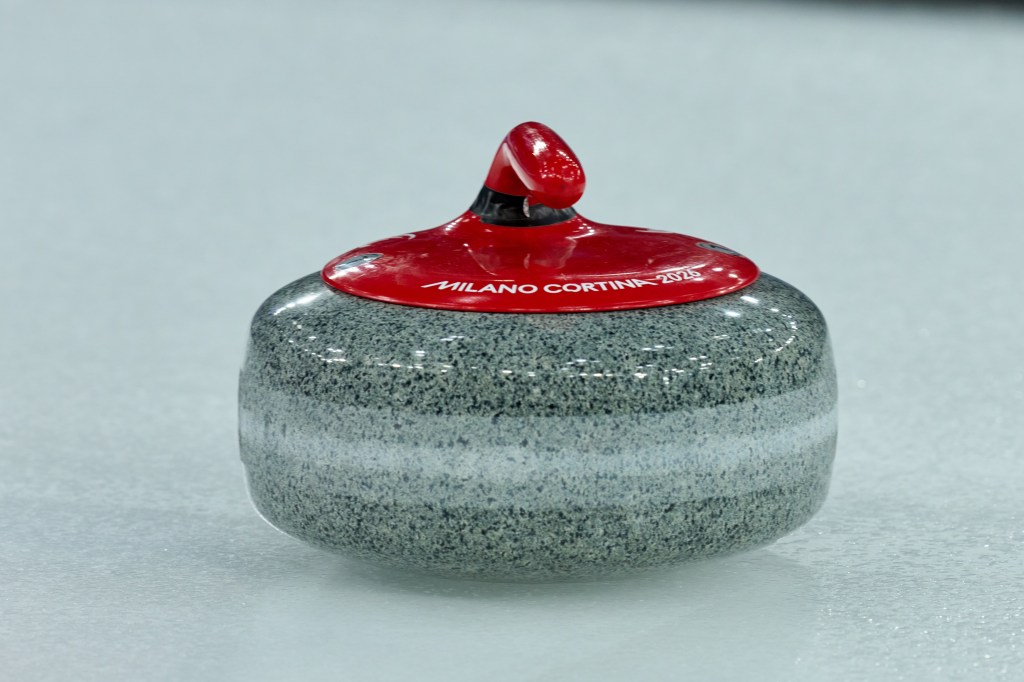
“It just takes another variable that could really mess you up here and takes it off our plate,” said Team USA mixed doubles wheelchair curler Steve Emt. “There’s one in the building, there’s one in the village. We go right there and get help. It’s amazing. It’s a resource that we greatly appreciate.”
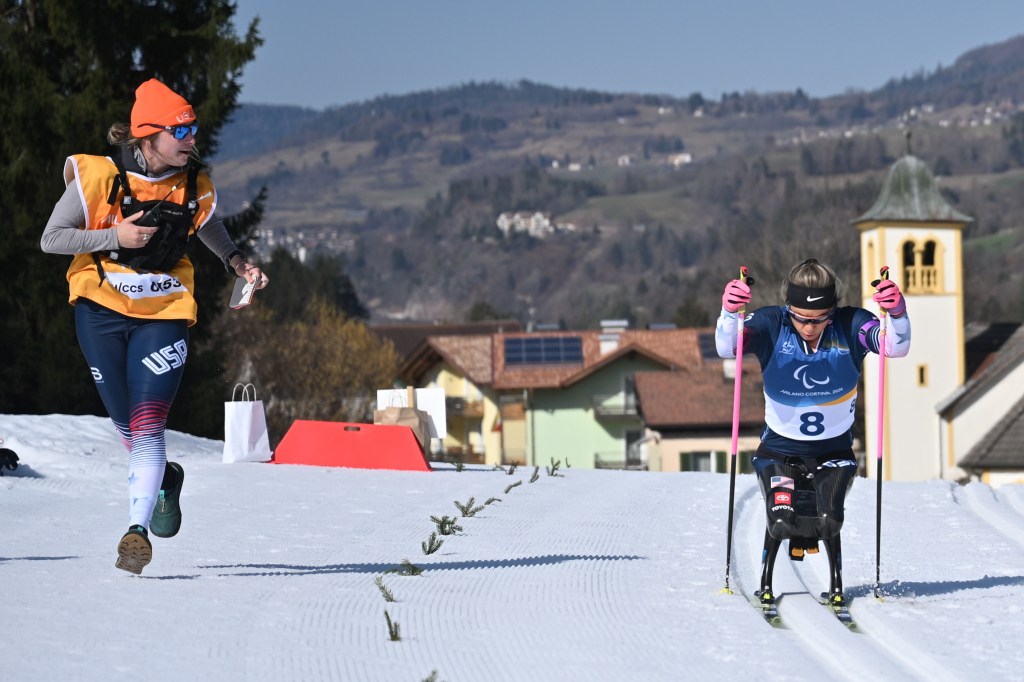
That sentiment was echoed by Team USA sit-skier Ravi Drugan, who has relied on the service at multiple Paralympic Games.
“I want to say Ottobock is great to have at the Paralympics,” Drugan said. “In Beijing I actually needed some work on my wheelchair — they hooked it up. Just yesterday I had a screw loose on my outriggers and I went over to Ottobock. I just needed a washer, and they hooked me up.”
Ottobock has provided technical repair services at every Summer and Winter Paralympic Games since 1988, helping ensure that when equipment problems arise, athletes can stay focused on competing rather than scrambling for repairs.

 Wheelchair Sports Federation
Leave a comment